
Tracking financial performance across multiple real estate properties can quickly become overwhelming, especially when managing various entities, investment structures, and cash flow streams. The traditional reliance on spreadsheets and disconnected systems often results in errors, inefficiencies, and delayed decision-making. By automating financial reporting and cash flow tracking, you can gain real-time insights, enhance accuracy, and free up valuable time for strategic decision-making.
Streamlining Financial Management: From Data Centralization to Automation
The first step in automating financial reporting is centralizing your financial data. A cloud-based accounting platform serves as a single source of truth, ensuring consistency across all entities and investments. Tools like Xero, QuickBooks Online (QBO), or NetSuite (for more complex fund structures) allow for multi-entity consolidation, integration with forecasting tools, and robust user permissions.
Action Steps:
- Standardize your chart of accounts across all properties, ensuring uniform naming conventions for income (e.g., rent, parking fees) and expenses (e.g., maintenance, utilities).
- Migrate at least 12-24 months of historical financial data into the new platform using built-in migration tools.
- Link your accounting platform to your bank accounts to enable automated transaction feeds and AI-driven reconciliations.
Outcome: By centralizing financial data and automating reconciliations, you ensure accuracy, reduce manual bookkeeping efforts, and gain a clearer view of financial performance.
Automating Cash Flow Tracking and Forecasting
Once your data is structured, the next step is automating cash flow tracking and forecasting. Integrating cash flow management tools like Float, Dryrun, or Jirav can provide real-time cash flow projections, automated tracking of receivables and payables, and scenario planning for different financial outcomes.
Action Steps:
- Implement automated invoicing and payment processing systems using tools like Bill.com, Melio, or AvidXchange for payables, and InvoiceSherpa or Chaser for receivables.
- Set up bank feeds and automated reconciliations to ensure transactions are categorized instantly, minimizing human error.
Outcome: With automated cash flow tracking, you can monitor upcoming obligations, reduce overdue invoices, and improve financial predictability.
Leveraging Real-Time Dashboards for Informed Decision-Making
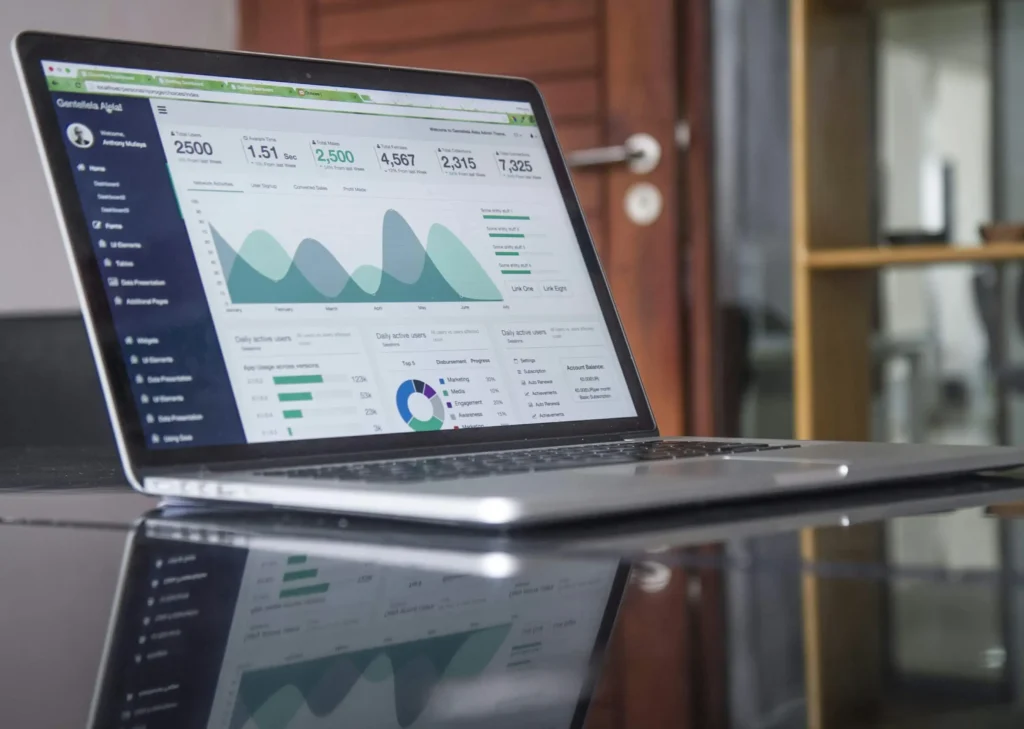
Automating reporting is the final piece of the puzzle. Dashboards provide real-time insights into key financial metrics, helping multi-property real estate investors make data-driven decisions. Some essential metrics include:
- Net Operating Income (NOI): Measures the profitability of a property by subtracting operating expenses from rental income. A high NOI indicates strong cash flow and operational efficiency.
- Debt Service Coverage Ratio (DSCR): Evaluates whether a property’s income is sufficient to cover debt payments. Lenders use this metric to assess loan eligibility, and a higher DSCR suggests lower financial risk.
- Occupancy Rates: Tracks the percentage of rented units compared to total available units. Maintaining high occupancy rates ensures consistent rental income and long-term financial stability.
- Cash Flow Projections: Provides estimates of future income and expenses, helping investors plan for upcoming obligations, reinvestment opportunities, and potential shortfalls.
Tools like Fathom, Spotlight Reporting, or Power BI allow you to build customizable dashboards tailored to your portfolio’s needs, ensuring that financial data remains accessible and actionable.
Action Steps:
- Set up automated monthly financial reports consolidating data across entities for investor and stakeholder review.
- Customize dashboard visuals to highlight key performance indicators, providing a snapshot of portfolio performance in real-time.
Outcome: Automated dashboards ensure that financial information is always accessible and up to date, allowing you to make data-driven decisions quickly and efficiently.
Final Thoughts
Automating financial reporting and cash flow tracking for real estate funds, commercial real estate, and multi-family properties is essential for scaling efficiently. By implementing cloud-based accounting, automating reconciliations, leveraging forecasting tools, and setting up real-time dashboards, you can eliminate financial blind spots and make informed decisions with confidence.
If you need help selecting and implementing the right financial automation tools for your real estate business, let’s talk!