A Small Business Guide to Financial Statements
If you are a small business owner, this blog post will guide you on how to read and understand basic financial statements.
Running a small business involves wearing many hats – you’re the CEO, the sales team, the HR department, and also the company’s financial manager. Understanding and properly maintaining your business’s financial statements is crucial for making informed decisions and ensuring your company’s financial health.
The three main types of financial statements are:
- The Balance Sheet – This shows your company’s assets, liabilities, and equity at a given point in time. It provides a snapshot of what the business owns and owes.
- The Income Statement – This reports your revenues, expenses, and resulting net income over a period of time. It shows whether your business made a profit and the sources of income and deductible expenses.
- The Cash Flow Statement – This tracks the cash inflows and outflows over a period, broken down into operating, investing, and financing activities. It highlights how well your business collected cash and paid bills.
While the income statement is important for calculating net income and profitability, it’s critical to understand that net income does not necessarily equal cash balance. There are several reasons for this:
- Not all cash payments are considered expenses on the income statement. For example, capital expenditures for assets like equipment and loan principal repayments are not expensed.
- Likewise, not all cash receipts hit revenue/income. Equity investments from owners go into the equity section of the balance sheet, not the income statement.
- Non-cash items like depreciation expense lower net income without impacting cash.
This disconnect between net income and cash balance is why the cash flow statement is so valuable. It provides an accurate picture of the actual cash situation by detailing all sources and uses of cash, and reconciling net income to cash flows from operations.
Reading these financial statements can seem daunting, but they provide vital insights into your business’s financial performance and trajectory. The balance sheet lets you assess working capital. The income statement reveals profitability trends. And the cash flow statement is critical for managing liquidity.
Fortunately, cloud-based accounting software makes preparing and understanding these financial statements easier than ever for small business owners. Solutions like QuickBooks Online and Xero automatically maintain an up-to-date balance sheet and map every transaction to the appropriate income statement and cash flow accounts.
Cloud-based accounting software makes preparing and understanding these financial statements easier than ever. Solutions automatically maintain an up-to-date balance sheet, income statement, and cash flow statement – mapping every transaction to the appropriate accounts.
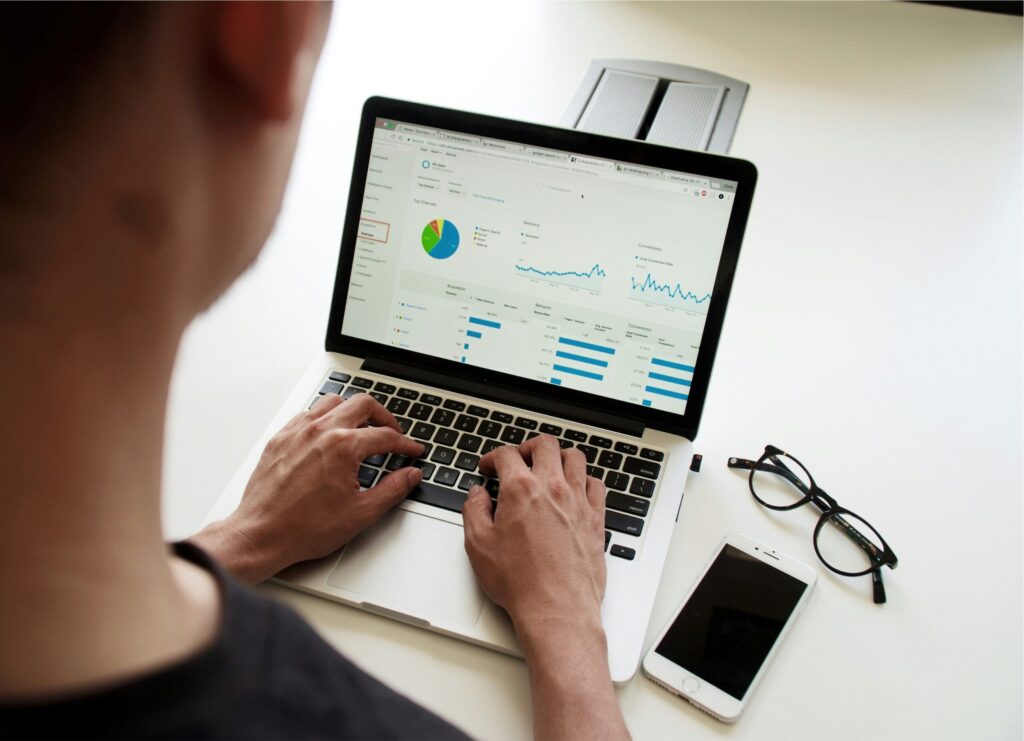
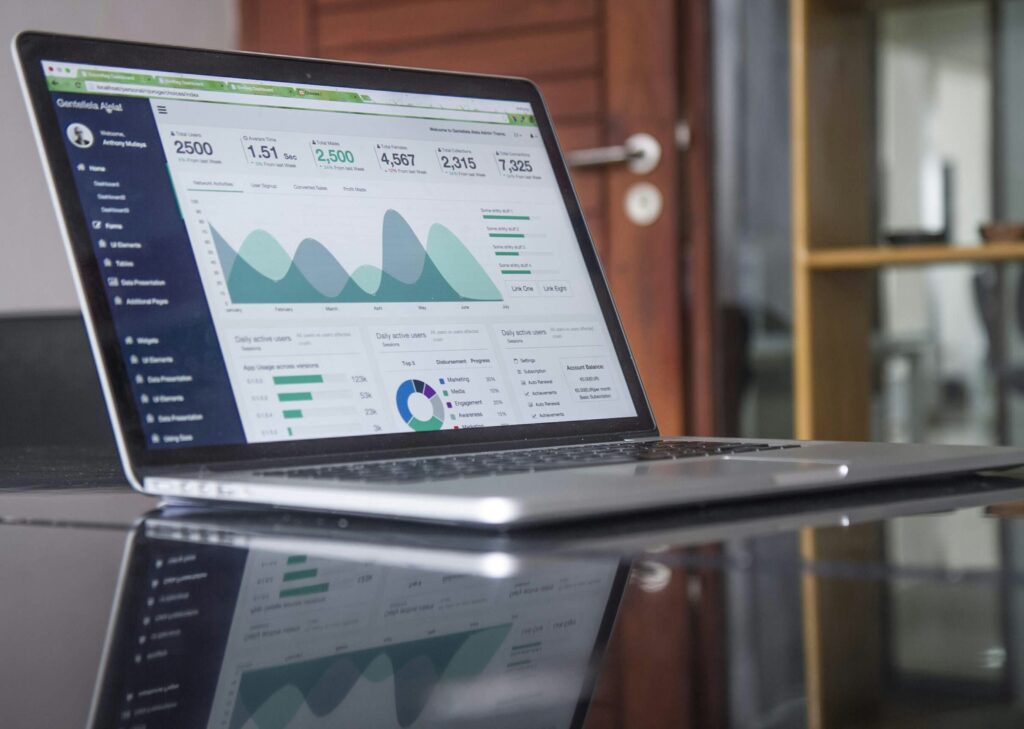
At the click of a button, you can view live financial statements tailored to your needs. Beautiful data visualization tools help the numbers pop off the page as charts, graphs, and forecasts. You can run cash flow projections, analyze profit margins, and spot inefficient spending.
Cloud accounting empowers you with anytime, anywhere access to your finances using any internet-connected device. Your books are automatically backed up, and you can seamlessly share access with your accountant or tax pro for seamless tax prep and financial advising.
Embracing cloud accounting is a game-changer for mastering your small business’s financial statements. By pulling these powerful reports in real-time, you’ll gain operational insights, make smarter decisions, and steer your company toward continued growth and profitability.
Have questions about implementing cloud accounting software to streamline your small business financial statements and reporting?
Our team at Nexus Square specializes in helping small businesses transition to the cloud. Visit our home page or fill out our online form to request a Free Consultation. We’ll guide you in selecting and optimizing the ideal cloud accounting solution for your needs.